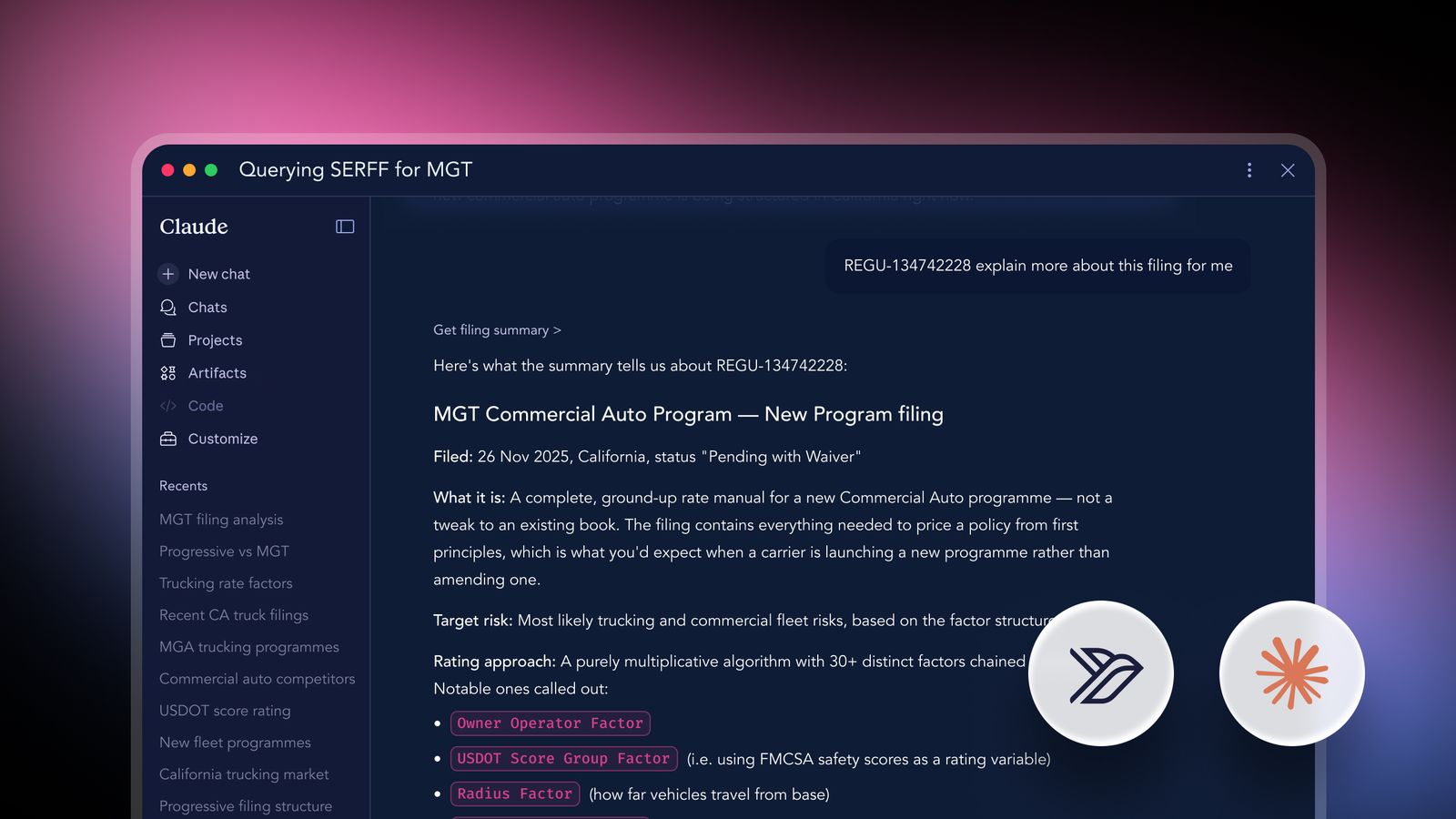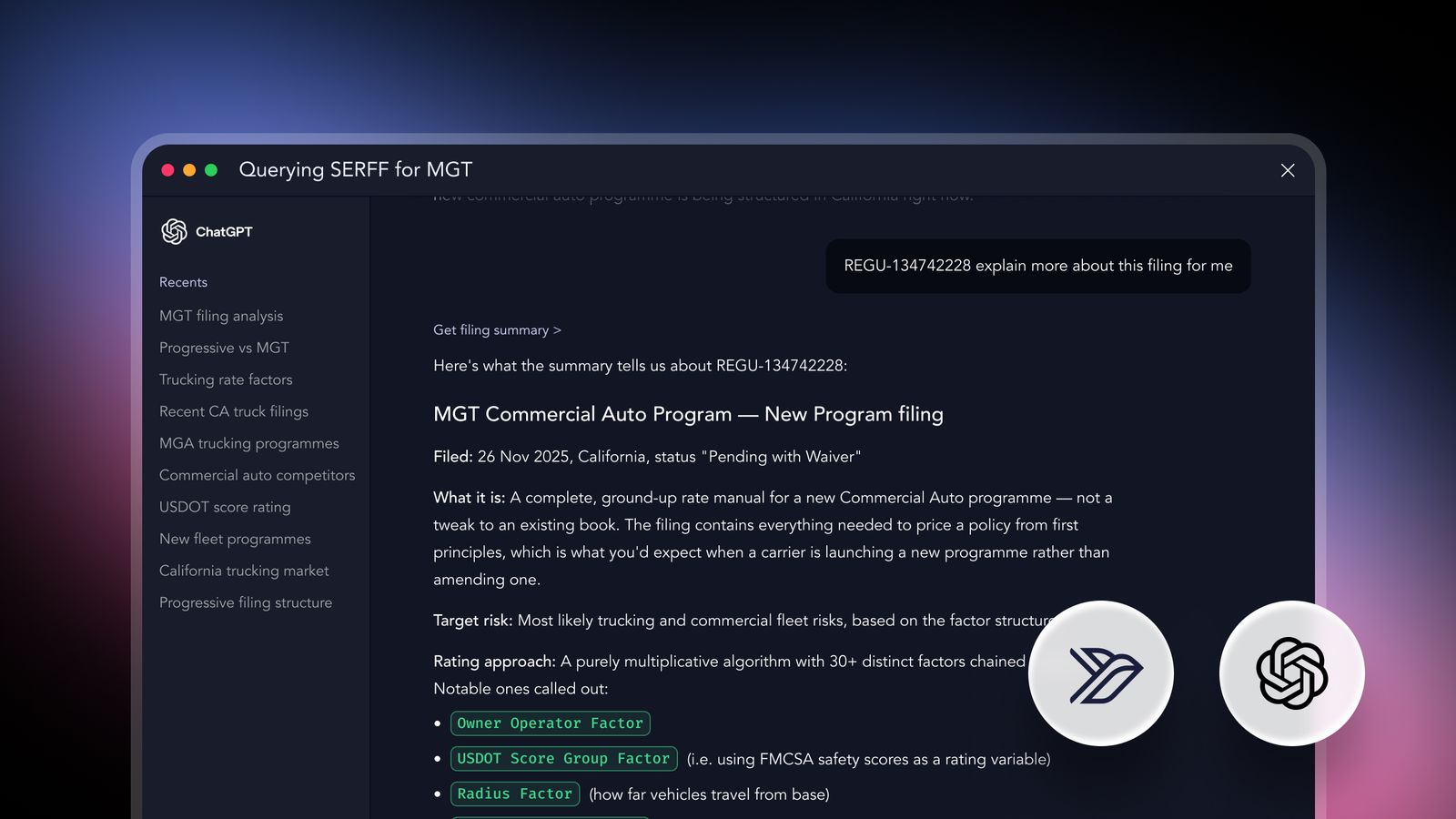



Picture a customer who has just bought a car. Instead of opening three comparison sites, they ask their AI assistant to find them motor cover. The assistant asks a few questions, sends those answers to a handful of insurers, reads what comes back and lays out the options.
None of that is far off. Assistants already book restaurants, compare broadband deals and fill in forms. Insurance is a product with a clear set of questions and a price at the end, which makes it an obvious next job for them.
So the question for an insurer or MGA isn't whether this will happen. It's whether your pricing can talk to a piece of software as well as it talks to a person.
Agents don't fill in forms
A person can work their way through a quote journey, guess what an odd question means and click past a pop-up. An agent can't be relied on to do any of that. It does far better with something built for machines:
- a pricing API that takes a known set of fields and returns a price;
- an MCP server, the open standard AI clients use to discover tools, read what they need and call them;
- a partner platform that already has your pricing wired in, with the agent working inside it.
Whichever route it takes, the agent has to understand your product well enough to ask the customer the right questions, and then make sense of the answer.
Five things an agent needs from your rater
1. Questions it can understand
A field called ncd_yrs means something to your underwriters. It means very little to an agent trying to word a question for a customer. Every input needs a type, the values it accepts and a plain description of what it is asking.
In Swallow, each input in a model has a key, a type, a default and a description, and fields with fixed options carry their list of options with them. The API can return a project's inputs as a JSON Schema, so an agent can build a valid request without guessing.
2. A clear yes, no or maybe
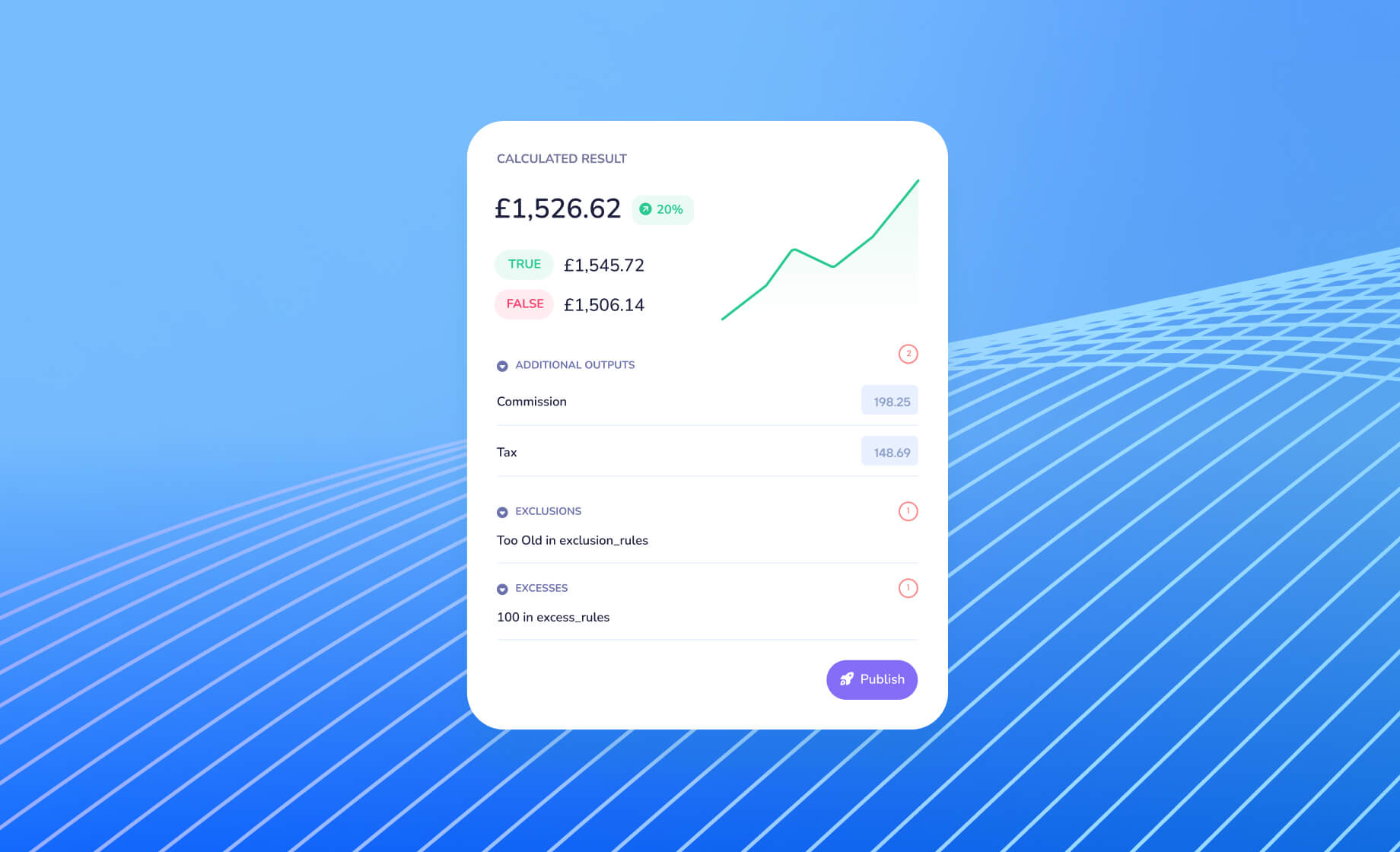
An agent has to know whether a quote can actually be bought. A price on its own isn't enough. Every response should say whether the quote is valid, declined or needs an underwriter, and why.
A Swallow quote comes back with valid set to false when an exclusion fires, and any refer rules that fired are listed by name with the values that set them off. An agent that reads the response can't mistake a declined quote for an offer.
3. The same price everywhere
If the agent is quoted one figure and the customer sees another on your website, you have a trust problem. The fix is to have one model behind every channel, so a risk gets the same price however it arrives.
4. A reason it can repeat
Customers will ask the agent why the premium is so high, or why it went up. The agent can only give a straight answer if your engine explains its own working. Add debug=true to a Swallow quote and the response includes every input, lookup, formula and rule the engine worked through. Our quote debugging guide walks through a real one.
5. A quick answer
An agent might ask for several quotes in one conversation, with a customer waiting. Slow prices make for a slow conversation, and an agent can simply move on. If your rater keeps up with comparison site traffic, it will keep up with agents.
The duty stays with you
Putting an agent between you and the customer doesn't hand your obligations to anyone else. You still need customers to understand what they are buying, to get a product that suits them and to pay a fair price. A few things are worth thinking about now:
- Key information. How do exclusions, excesses and limits reach the customer when they never see your quote page?
- Answers given for the customer. If the agent fills in a field on the customer's behalf, how will you check it before cover starts?
- Customers who need more help. How will you spot someone in a vulnerable situation when you never speak to them?
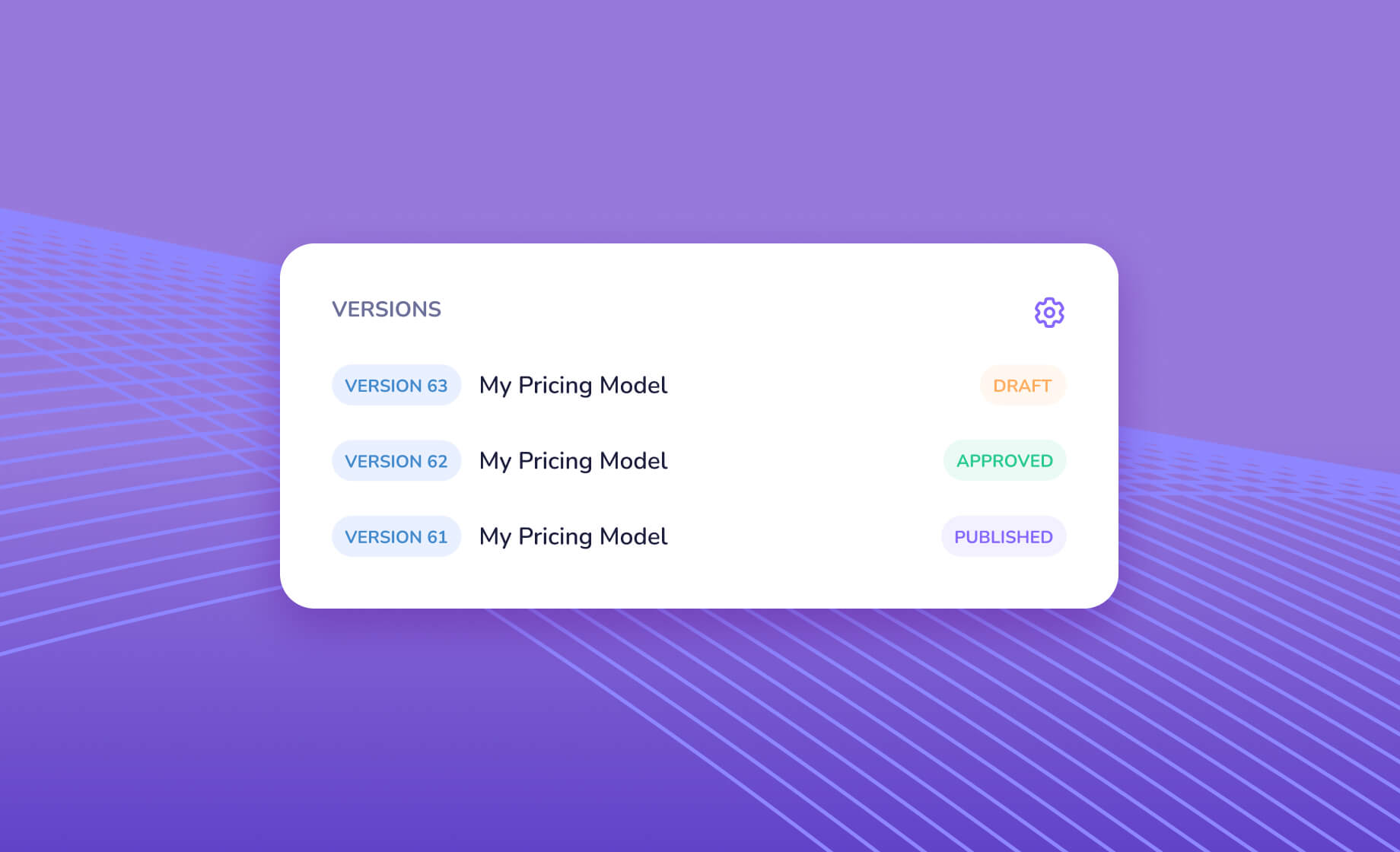
- The record. Could you show exactly what was quoted, from which answers, by which version of the model?
Plain input descriptions, explicit decisions and a full trace all help here. Every Swallow quote is saved with its input, its output and the version that priced it, so the last question always has an answer.
Start now, whoever is asking
None of this needs agents to be mainstream first. The same work improves every channel you already sell through:
- Run your pricing from one rating engine that serves your API, forms and AI clients.
- Describe every input as if you were explaining the question to a customer.
- Make every decline and refer explicit, with a named reason.
- Return an explanation with each quote.
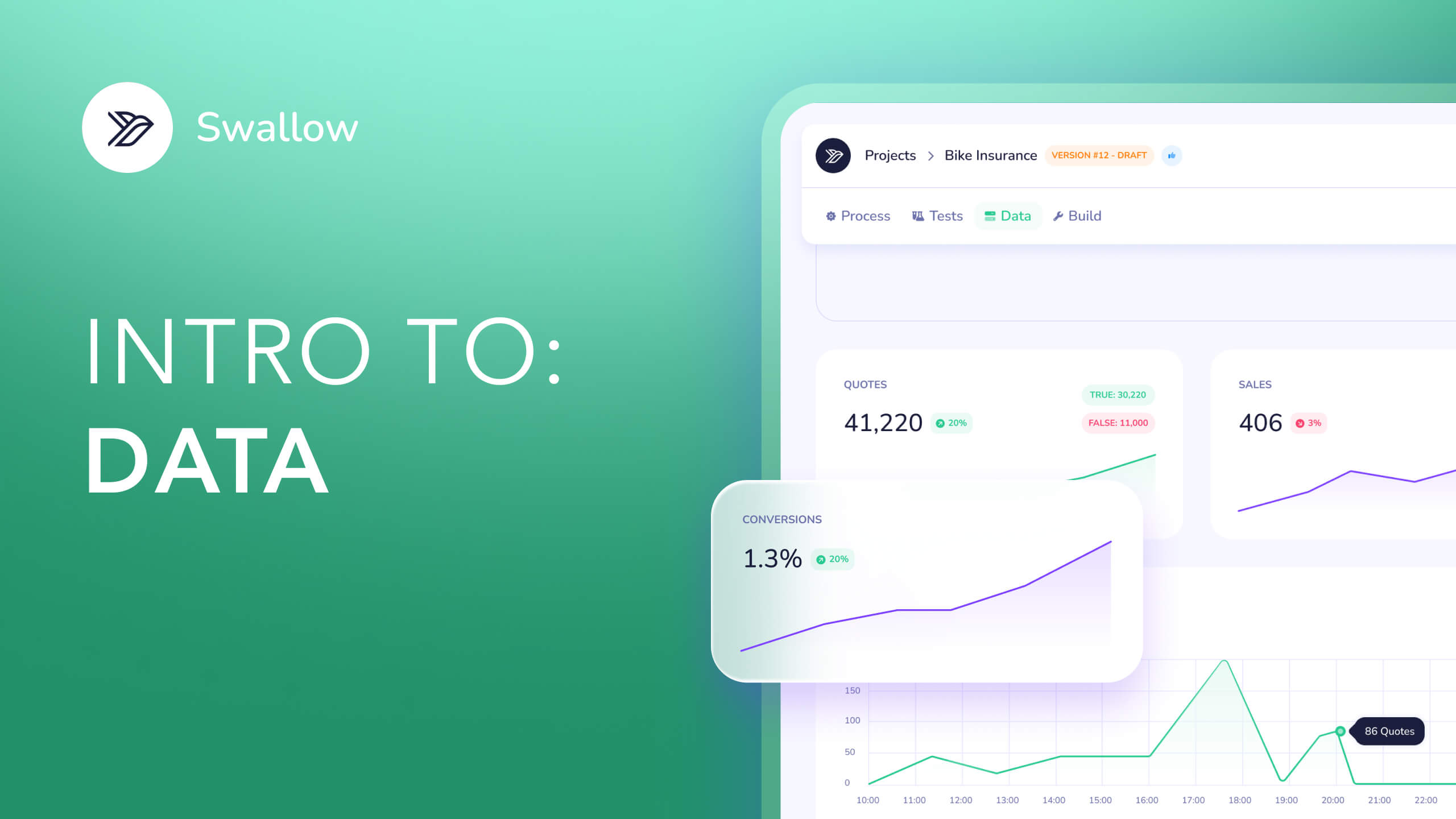
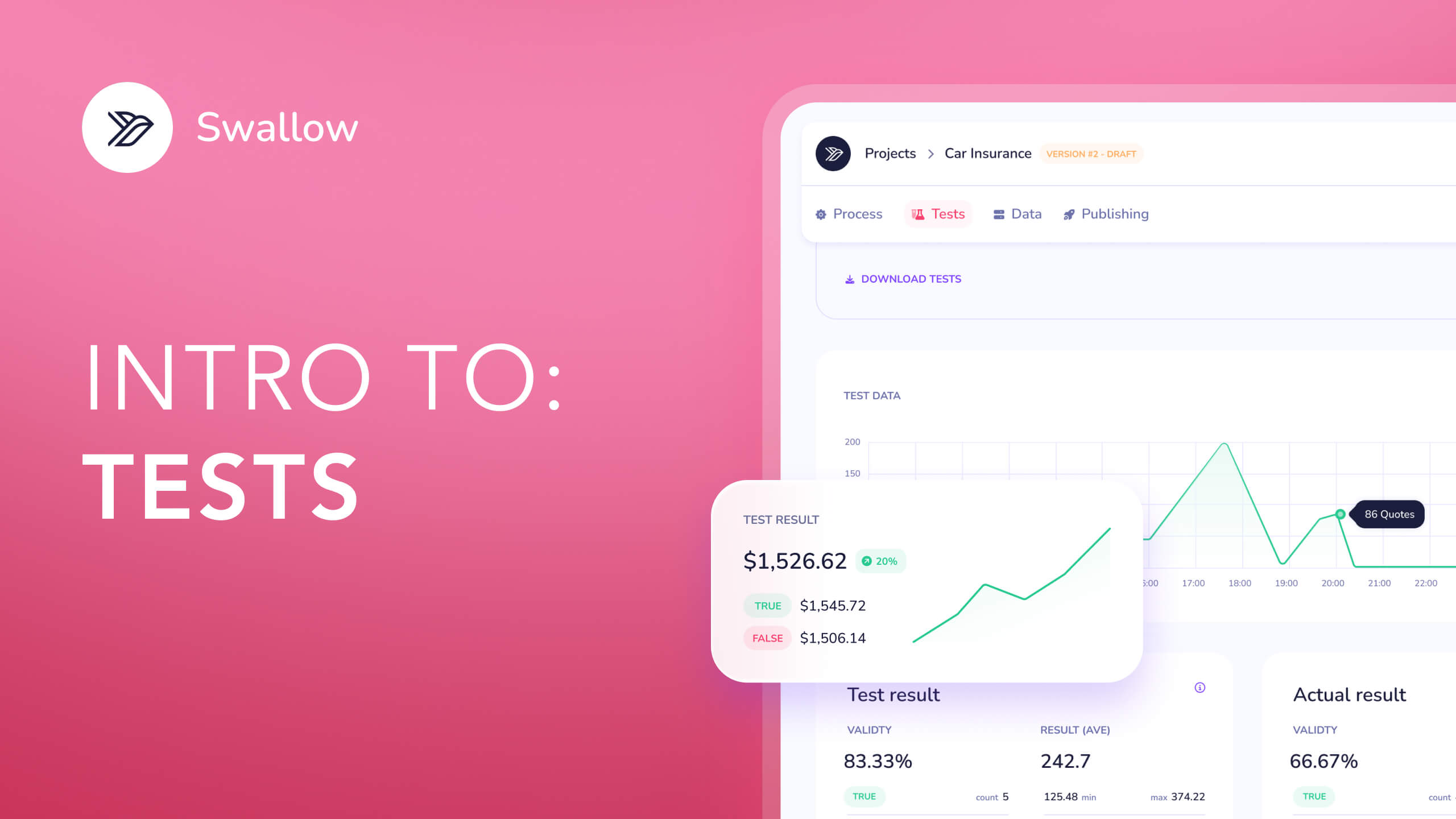
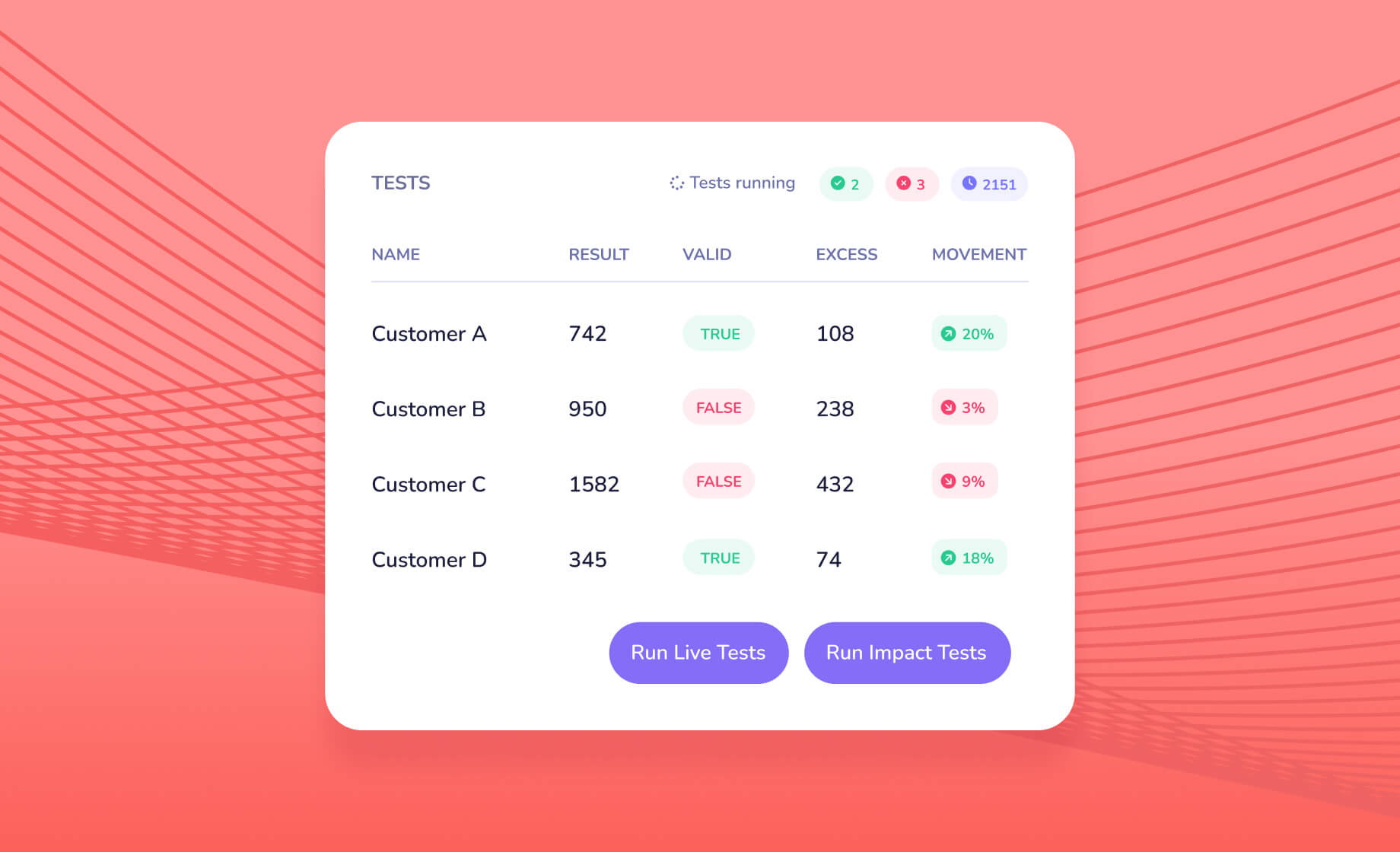
- Test every change before it goes live, so nobody gets a price you didn't mean to give. Our post on testing insurance pricing models covers how.
For the bigger picture on channels, see AI for insurance distribution.
How Swallow fits
Every Swallow project can be priced through the API as soon as a version is published, and your own team can quote it from Claude, ChatGPT or Cursor through the Swallow MCP server. The same model also powers embedded forms and our voice and chat agents, which you can read about on the sales channels page. Talk to our team if you'd like to get a product ready for AI-led distribution.