


Oracle Insbridge suits carriers that already run it, have an IT team to host it, and have years of working rating logic in RateManager. Swallow suits insurers and MGAs that want a hosted rating engine with readable models, tests on every version, a JSON API and AI in the workflow. If you're thinking about moving off Insbridge, the real question is usually whether migrating costs less than carrying on with a self-hosted legacy stack.
About Oracle Insbridge
Oracle Insurance Insbridge Enterprise Rating, formerly Insbridge Rating and Underwriting (IBRU), is a rating, rules and underwriting system. Insbridge belonged to Skywire Software, whose application business Oracle agreed to buy in 2008, and it has a long-standing install base, especially among US property and casualty carriers.
It has two main parts:
- RateManager, the design environment where users manage product definitions and the rating and underwriting logic.
- SoftRater, the runtime engine that executes that logic, in transactional and batch modes.
Oracle's data sheet describes Insbridge as "designed for business users", with a codeless interface that lets actuaries, product managers, underwriters and analysts "create, test and deploy complex rating, rules and underwriting logic without programming expertise". It lists an impact analysis tool that shows how a rate change affects the book, versioning by channel and effective date, self-documenting audit of changes, "Where Used" and "Dependency" reports, a rating worksheet, and capacity to "process millions of transactions per hour".
Insbridge is installed software. Oracle's documentation for release 5.6.4 covers installation on Windows with Microsoft SQL Server databases, and SoftRater is also available for Java application servers such as WebLogic, WebSphere and TomEE. SoftRater integrates through a SOAP web services interface or native Java and .NET interfaces, and returns Insbridge XML. We didn't find a hosted or SaaS edition in Oracle's public material, or any published AI features. Oracle doesn't publish pricing.
About Swallow
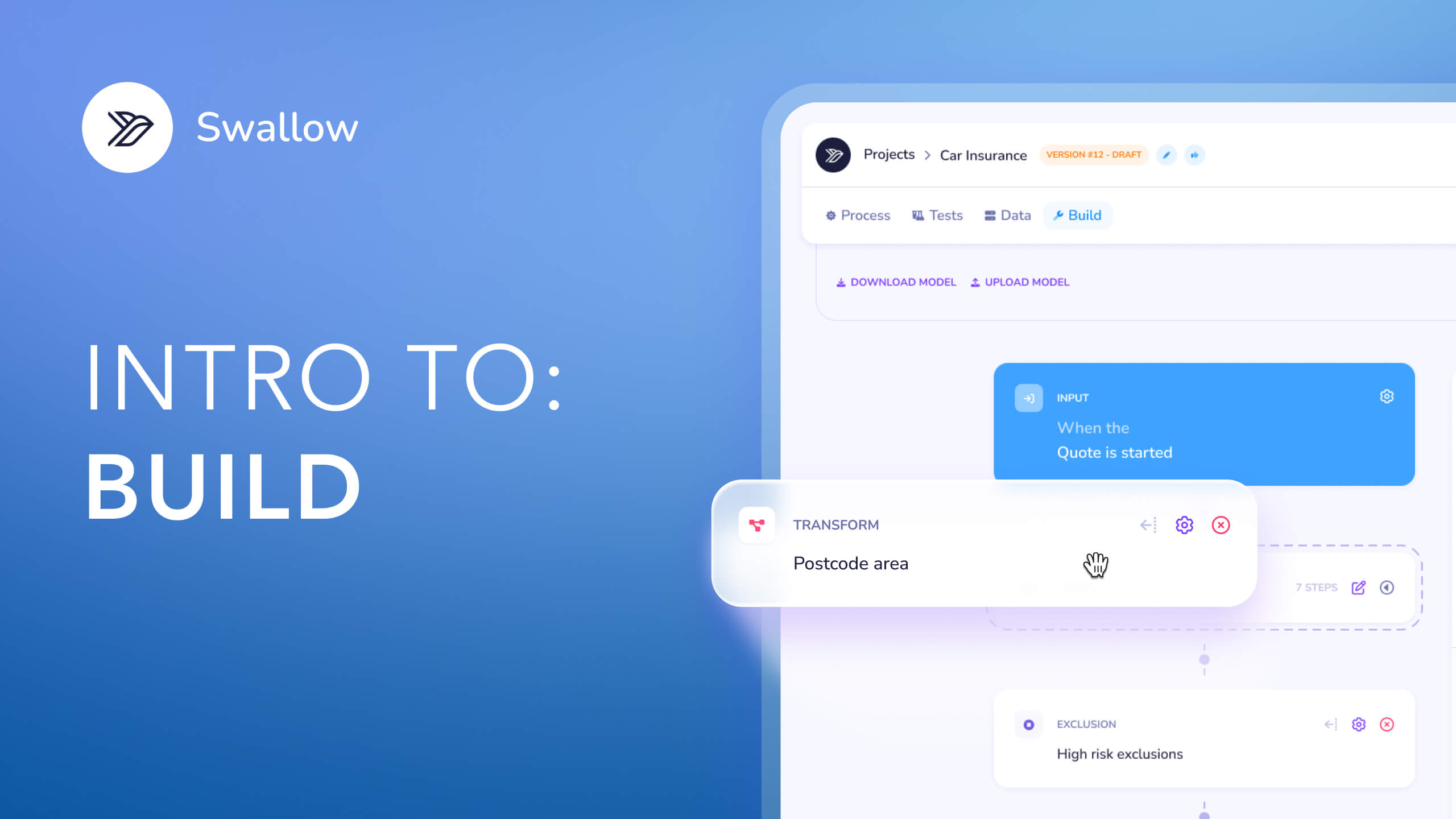
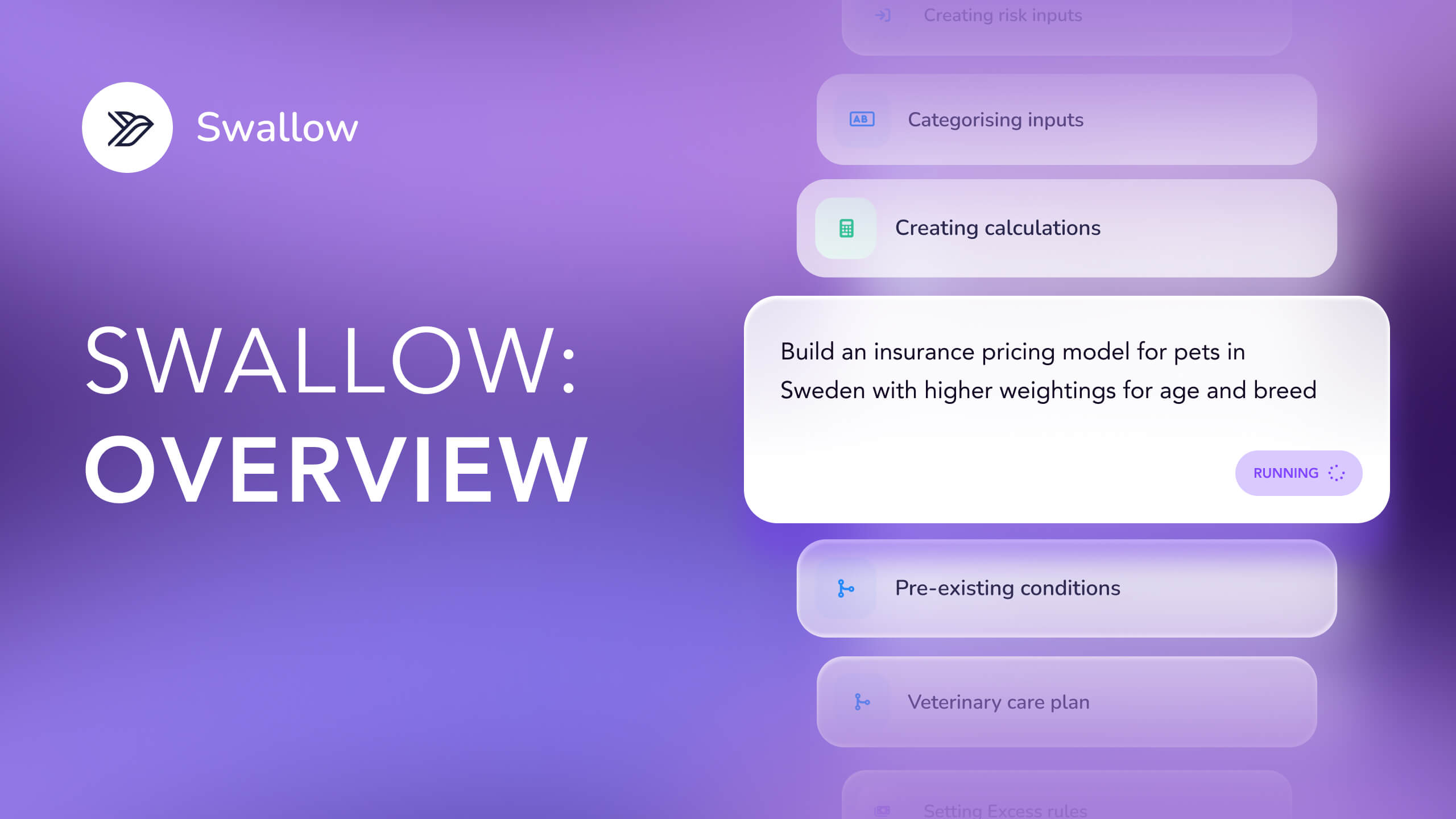
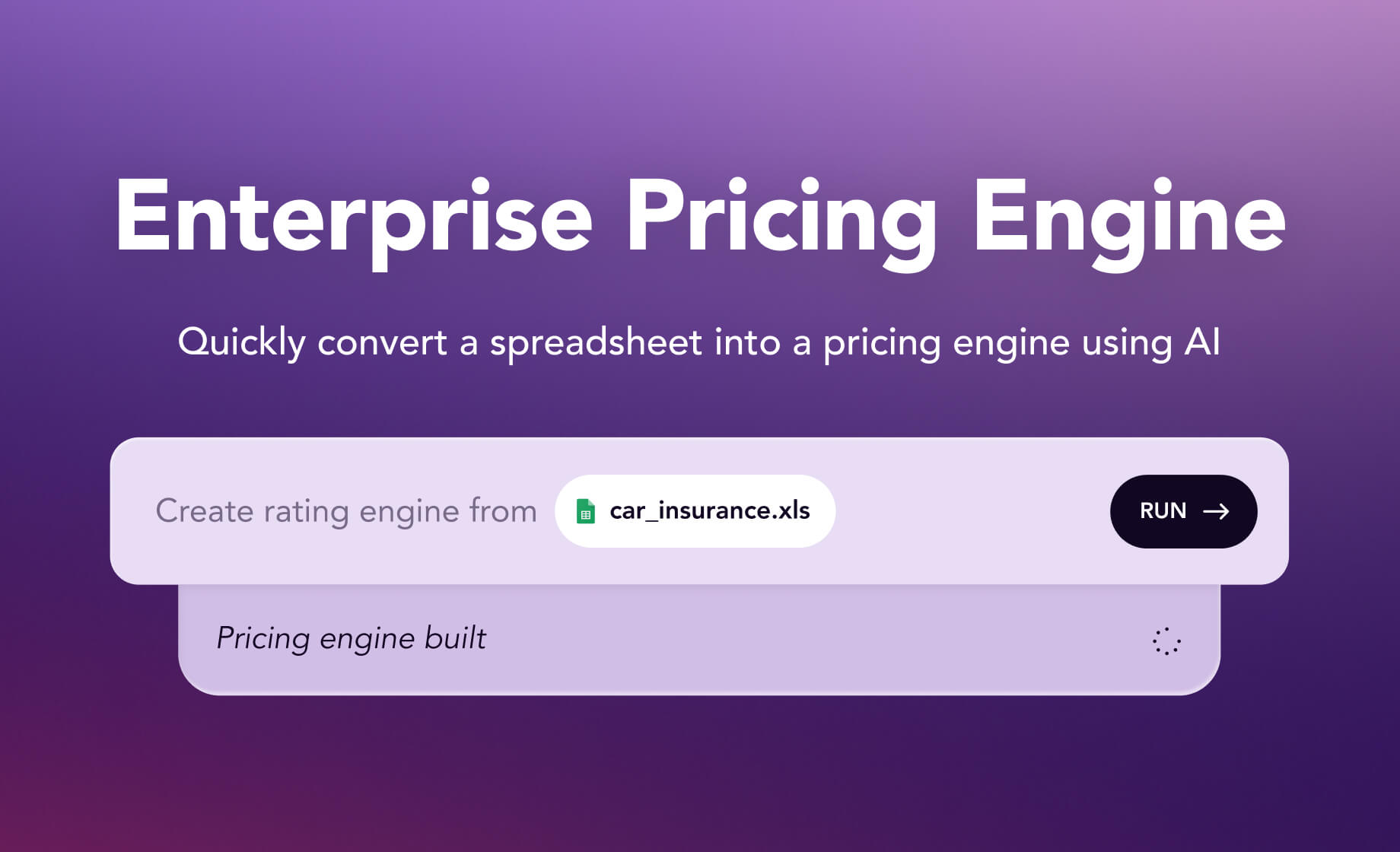
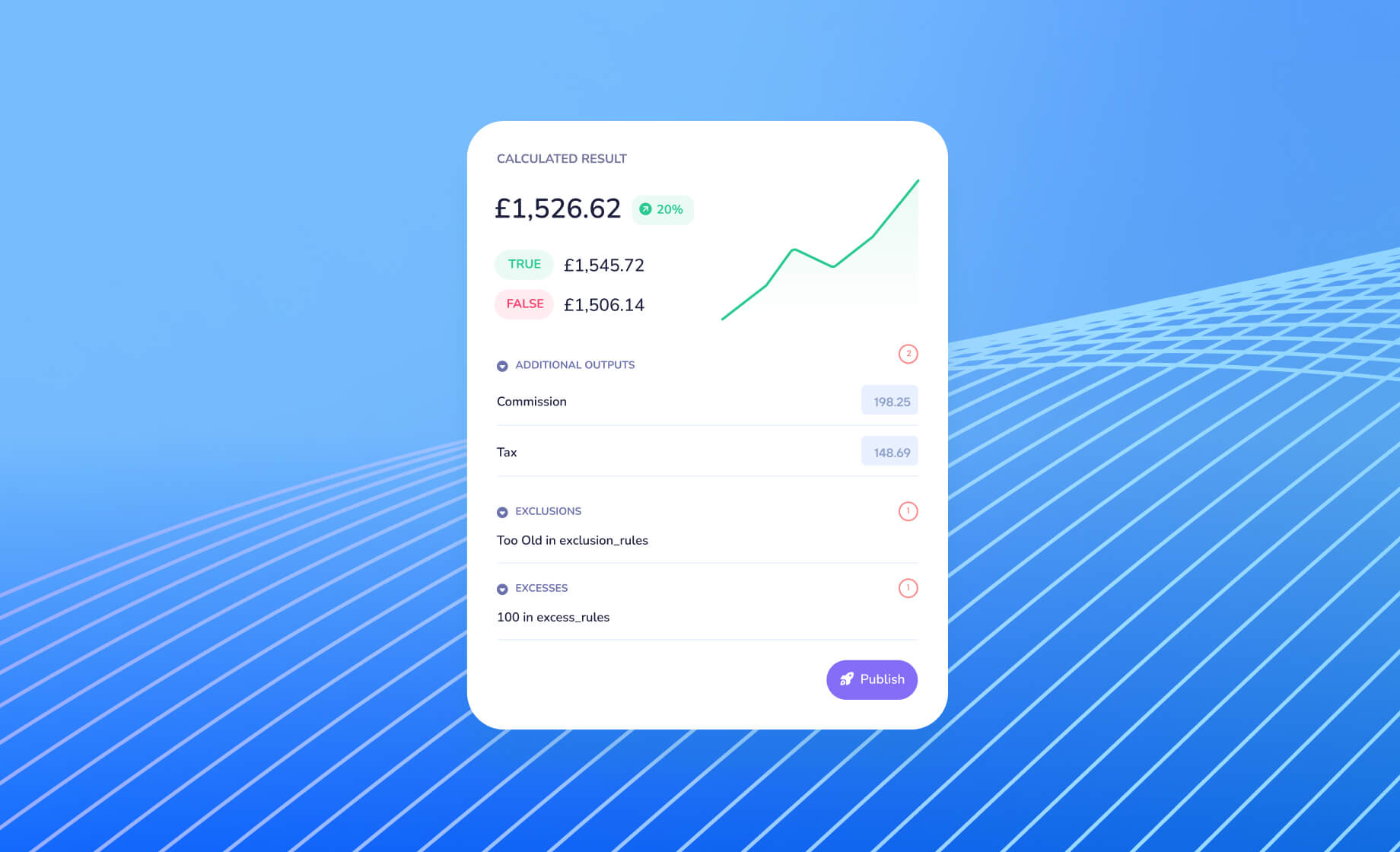
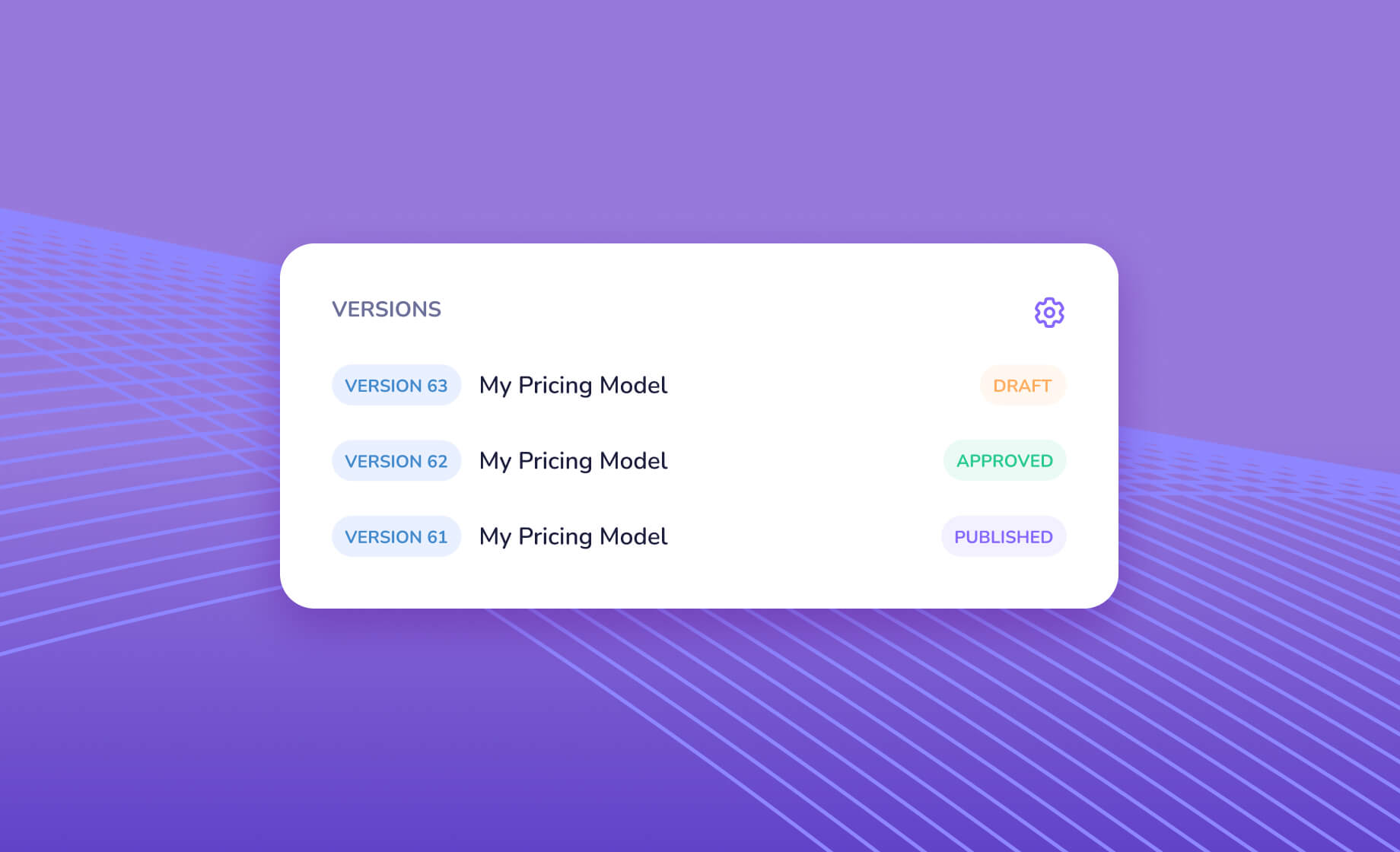
Swallow is a pricing platform and rating engine for insurers and MGAs, run for you in the cloud. Each model is a JSON file of ordered steps: inputs, rate table lookups, calculations, exclusions, refers, excesses and endorsements. Teams build models on a visual canvas, from a prompt or an uploaded spreadsheet, or with an AI client over the MCP server. Every version keeps its own tests and moves from draft to approved to published. The same model serves quotes through a REST API, embedded forms, and voice and chat AI.
At a glance
| Swallow | Oracle Insbridge | |
|---|---|---|
| What it is | Pricing platform and rating engine | Rating, rules and underwriting system (RateManager and SoftRater) |
| Typical user | Insurers and MGAs | Typically established carriers, many in the US |
| Deployment | Cloud platform run by Swallow | Installed and run by the customer on Windows or Java servers |
| How logic is built | Visual canvas, prompts, or JSON drafted by an AI client | Codeless RateManager interface |
| Model format | Readable JSON file, available through the API; rate tables upload and download as CSV | Stored in RateManager's database |
| Testing | Tests saved on each version; bulk test upload; run on a draft before approval | Impact analysis on the book; testing before deployment |
| Approvals and audit | Draft, approved, published; roles decide who approves; every step logged with who and when | Versioning, self-documenting audit, dependency reports |
| Integration | REST API with JSON in and out, embedded forms, voice and chat AI, webhooks | SOAP web services, Java and .NET interfaces, XML |
| AI | AI builds models and tests from prompts; MCP server for Claude, ChatGPT and Cursor | None published |
| Commercial model | Talk to us | Not published |
Where they differ
Who runs the servers
With Insbridge, your team looks after the servers, databases and upgrades. That's full control, and some carriers want exactly that. It also leaves infrastructure, patching and upgrade projects with your IT team. Swallow runs the platform for you, so your team's time goes on the rates rather than the stack underneath them.
What a model actually is
Both products aim to let business users change rates without writing code. The difference is what you end up with. A Swallow model is a single readable file of ordered steps: inputs with labels and descriptions, rate tables as rows, formulas written out. A draft can be reviewed and run against every test before anyone approves it, and because it's plain JSON, the model is portable and AI clients can read it. We set out the case for this in why pricing models should be human readable.
Testing
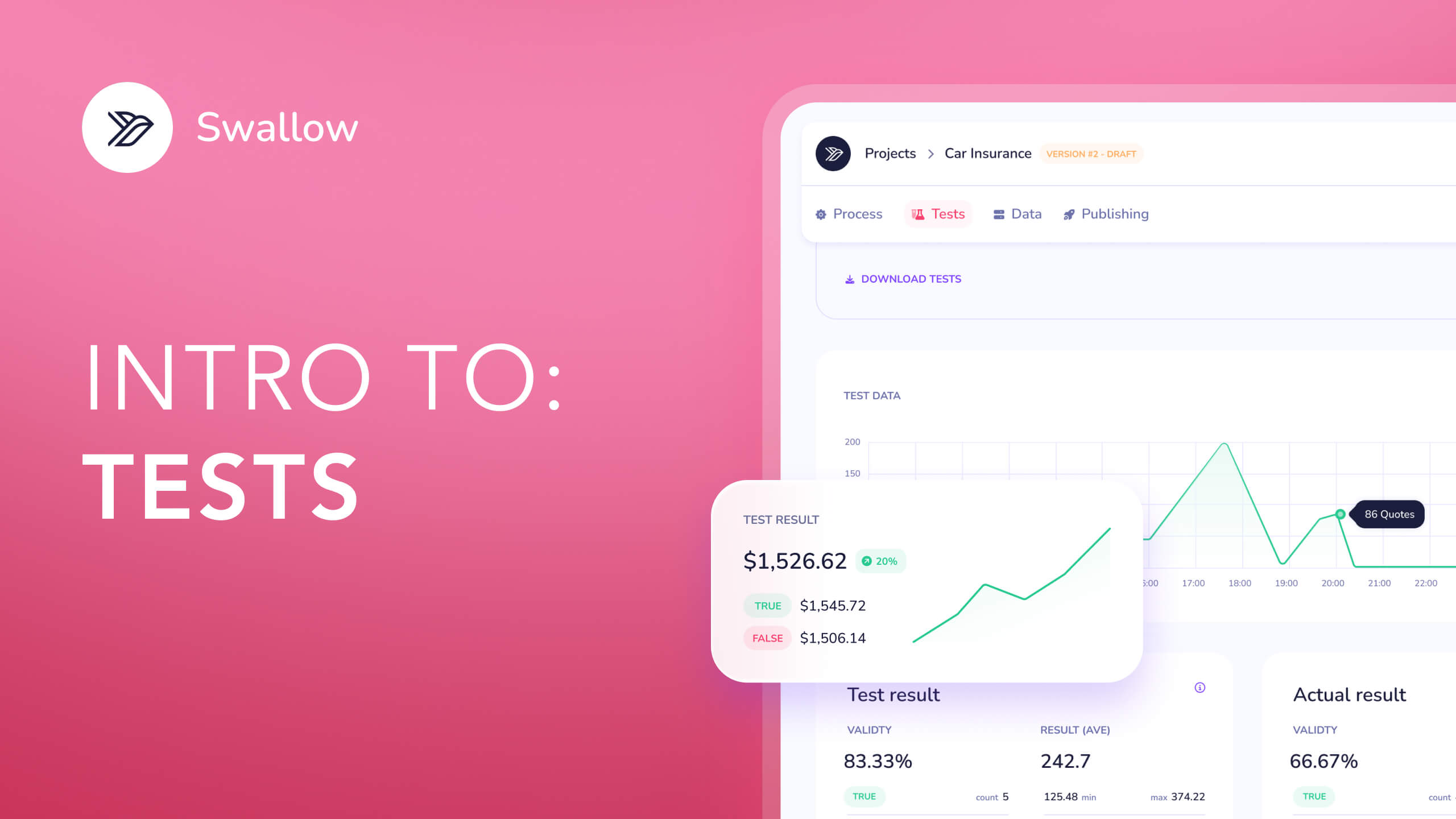
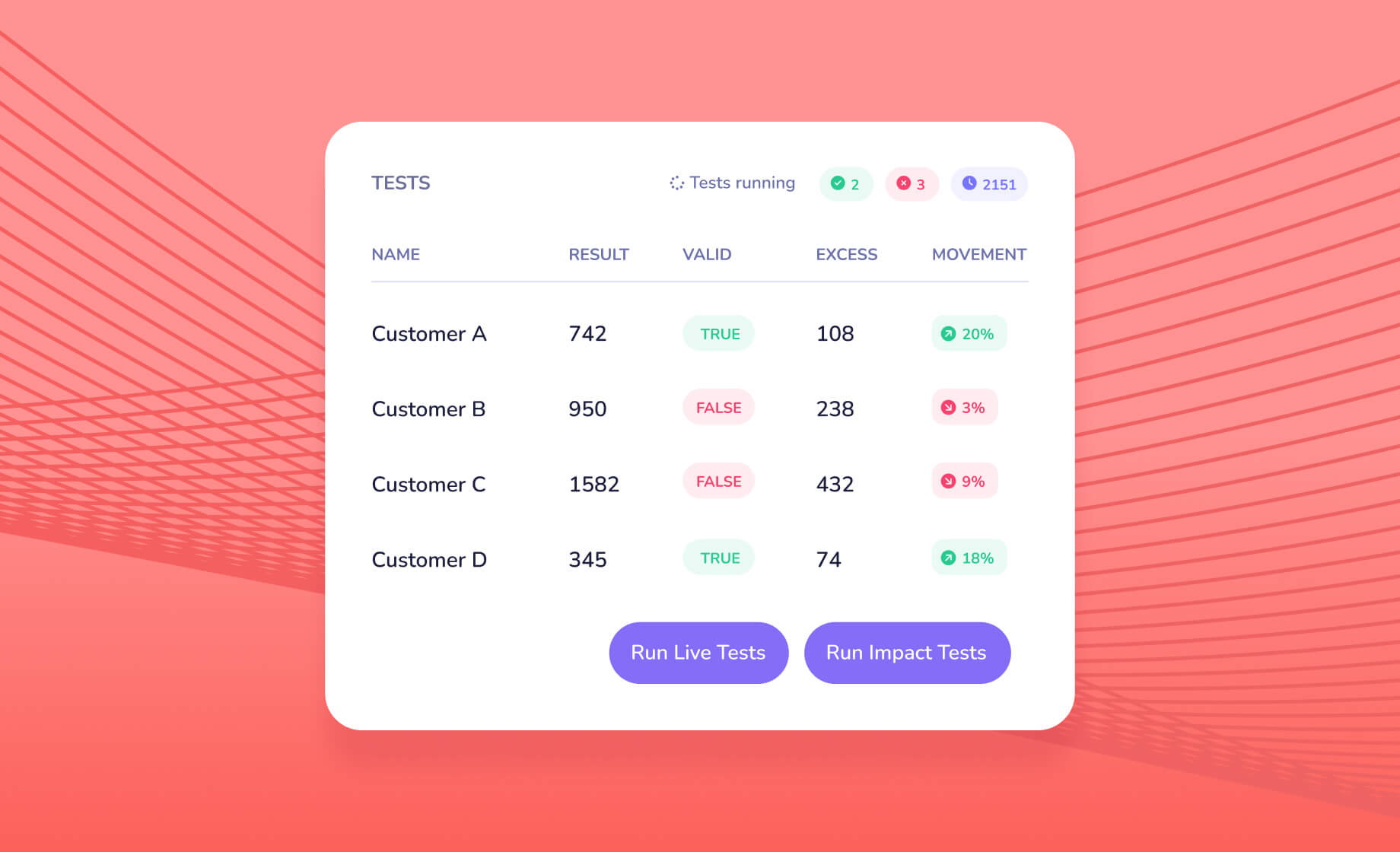
Insbridge's impact analysis shows how a rate change moves the book, which matters for pricing decisions. Swallow attaches a test suite to every version. Each test is a full quote with the result you expect, you can upload tests in bulk or generate them from a prompt, and you run the suite on a draft before approving it, so unintended movements show up before release. For any individual quote, the debug trace shows every input, lookup, formula and rule the engine worked through.
Integration
Insbridge was designed around SOAP and XML connections to policy systems, portals and CRM. Swallow offers a documented JSON API, webhooks, embedded quote forms, and voice and chat AI, which suit direct quote journeys, price comparison websites and AI assistants. Every quote records the version that priced it, and quotes that don't name a version use the latest published one.
AI
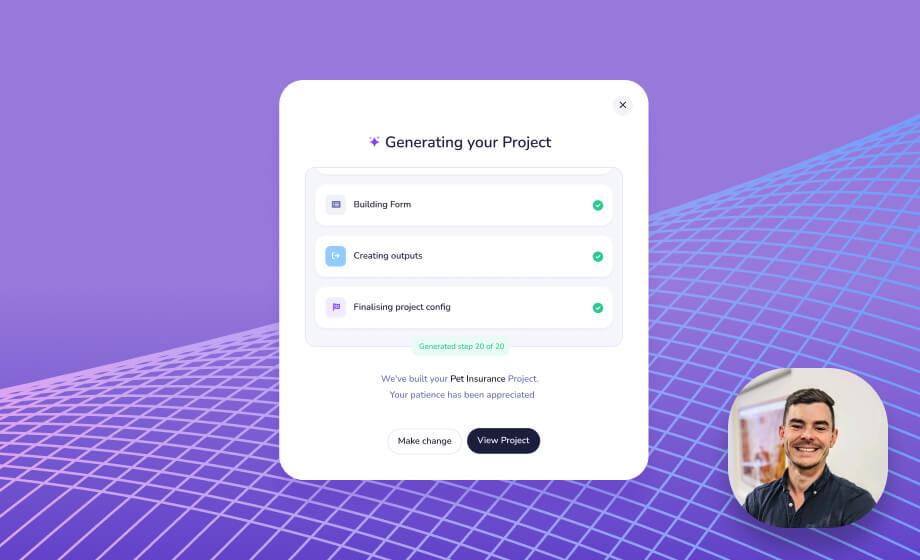
We found no published AI features for Insbridge. In Swallow, AI can generate a model from a prompt and a spreadsheet, generate tests, write version summaries and governance reports, and answer questions about quote data. Over MCP, Claude, ChatGPT or Cursor can draft a model, validate it and run its tests. Agents can't create, edit or publish a project. A person uploads the model to a draft and approves and publishes it in the dashboard.
When Oracle Insbridge is the better choice
- You already run Insbridge, it's stable, and your team knows RateManager well.
- You have many products and states built in it and no pressing reason to move.
- Your policy systems are tightly integrated with SoftRater's interfaces.
- You're committed to Oracle's wider insurance suite and want one vendor.
When Swallow is the better choice
- You'd rather have a hosted rating engine than servers and upgrades to run.
- You want readable models with tests on every version and a clear approval step.
- You're launching a new product or MGA and want it live without a large implementation project.
- You need a JSON API built for high quote volumes, or AI clients helping to build your models.
Moving off Insbridge
The safest route is to let the old engine write your tests. Run a large, varied set of quotes through Insbridge and record what comes back. Rebuild the logic as a Swallow model, upload those quotes as tests, and keep working until every one passes. Then run both engines side by side before you switch over. Our guide to replacing a spreadsheet rater follows the same method step by step, and it works just as well when the source is a legacy engine rather than a workbook. If you'd like help planning the move, talk to our team.
Next steps
See how a model is built, tested and released on the model building page, or read our overview of Swallow vs insurance pricing platforms.
This comparison reflects publicly available information as of November 2026. Vendor offerings change and vary by customer, so check current details with each vendor.